Wrist blood pressure monitors offer a convenient way to track cardiovascular health‚ utilizing oscillometric methods for accurate readings. Regular monitoring is vital‚ especially for those managing hypertension.
What is a Wrist Blood Pressure Monitor?
Wrist blood pressure monitors are portable devices designed to measure blood pressure at the radial artery‚ located on your wrist. Unlike traditional upper arm cuffs‚ these monitors offer convenience and ease of use‚ making them ideal for frequent monitoring or travel. They employ the oscillometric method‚ detecting pulse wave vibrations to determine systolic and diastolic pressure‚ alongside your pulse rate.
These devices are valuable tools for individuals proactively managing their health‚ particularly those with hypertension or cardiac concerns. Understanding how to properly use and interpret readings is crucial for effective self-monitoring.
Why Choose a Wrist Monitor?
Wrist monitors provide a compelling alternative to upper arm devices due to their portability and convenience. They are exceptionally useful for individuals who travel frequently or prefer discreet monitoring throughout the day. Their compact size doesn’t compromise accuracy when used correctly‚ offering a viable option for regular blood pressure checks.
Furthermore‚ wrist monitors can be easier to self-apply‚ particularly for those with limited mobility or difficulty positioning an upper arm cuff. Consistent monitoring aids in maintaining total health‚ especially for those with pre-existing cardiac conditions.
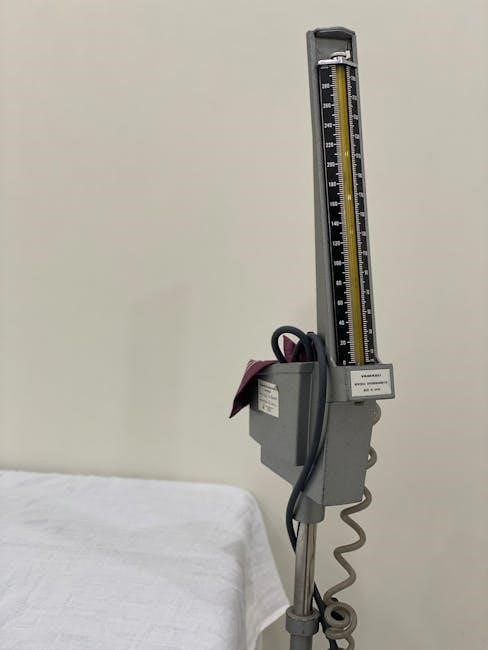
Understanding Your Wrist Blood Pressure Monitor
Wrist monitors employ the oscillometric method‚ detecting pulse wave vibrations in the artery. Familiarizing yourself with the monitor’s components and display symbols is crucial for accurate use.
Oscillometric Measurement Method
The oscillometric method‚ utilized by OMRON wrist monitors‚ is a non-invasive technique for determining blood pressure. Instead of listening for Korotkoff sounds like traditional methods‚ it detects oscillations created by pulsing blood flow in the artery. The monitor inflates the cuff and then gradually releases pressure‚ sensing these vibrations. An internal algorithm then translates these oscillations into systolic and diastolic blood pressure values‚ alongside the pulse rate. This automated process offers convenience and consistent readings when performed correctly‚ making it ideal for home monitoring and regular health tracking.
Components of the Monitor
A typical wrist blood pressure monitor consists of several key components. These include the inflatable cuff‚ designed to fit snugly around your wrist‚ and the monitor unit itself. The unit houses the pressure sensor‚ electronic circuitry for processing data‚ and a digital display for showing readings. Buttons control operation – start/stop‚ memory recall‚ and potentially settings. Many models also feature a power source‚ usually batteries. Understanding each part ensures proper setup and operation‚ contributing to accurate blood pressure measurements and effective health management.
Display Symbols and Indicators
The monitor’s display utilizes symbols to convey important information. Expect to see indicators for systolic and diastolic pressure‚ alongside your pulse rate. A heart symbol often signifies irregular heartbeat detection‚ while error messages are displayed with specific codes. Battery level indicators alert you to low power. Symbols may also denote memory usage or Bluetooth connectivity status. Familiarizing yourself with these indicators is crucial for correctly interpreting readings and understanding any potential issues the monitor detects during operation‚ ensuring informed healthcare decisions.
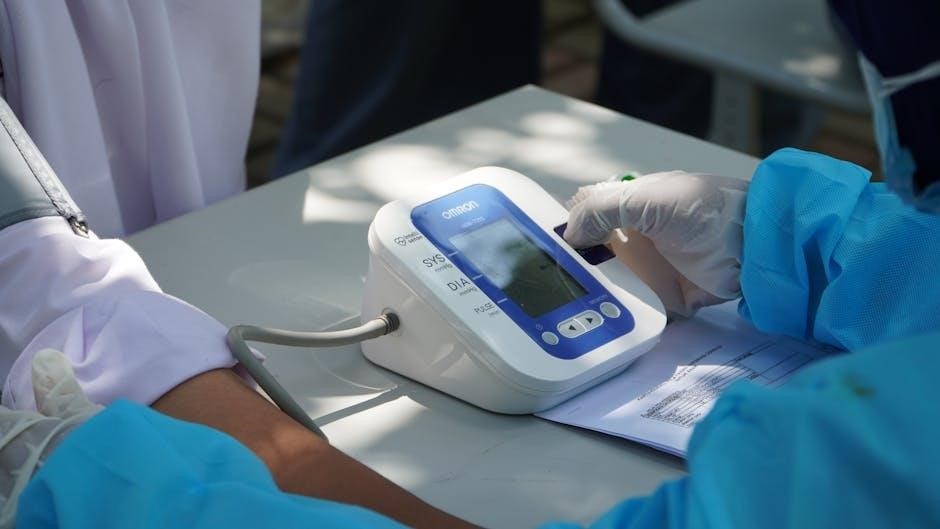
Preparing for a Measurement
Before taking a reading‚ sit comfortably and relax for five minutes. Proper positioning and a calm state are essential for accurate blood pressure results.
Proper Positioning and Posture
Achieving accurate readings with your wrist blood pressure monitor hinges on correct positioning. Sit comfortably with your back supported and feet flat on the floor – avoid crossing your legs. Ensure your arm is supported at heart level throughout the measurement process.
Relax your arm and avoid any tension. Do not speak or move during the measurement‚ as this can artificially inflate your blood pressure. Maintaining a still and relaxed posture minimizes interference and ensures the monitor accurately detects pulse wave vibrations within the artery‚ leading to reliable results.
Relaxation Techniques
Before taking a measurement‚ dedicate a few moments to relaxation. Elevated stress levels significantly impact blood pressure readings‚ leading to inaccurate results; Practice deep‚ slow breathing exercises – inhale deeply through your nose and exhale slowly through your mouth.
Quiet your mind by focusing on your breath or a calming image. Avoid caffeine or nicotine for at least 30 minutes prior to measurement. A relaxed state ensures the monitor accurately detects your baseline blood pressure‚ providing a more reliable indication of your cardiovascular health.
Wrist Size and Cuff Selection
Accurate cuff fit is crucial for reliable blood pressure readings. Using the wrong cuff size introduces significant errors. Measure your wrist circumference with a flexible tape measure‚ ensuring it’s snug but not overly tight.
Most wrist monitors come with a standard cuff‚ but some offer adjustable or multiple sizes. If your wrist falls outside the specified range for the included cuff‚ obtain a correctly sized replacement. Avoid placing the cuff over clothing‚ as this adds bulk and affects accuracy. A proper fit ensures optimal sensor contact and precise measurement.
Taking a Blood Pressure Measurement
Follow these steps for accurate results: sit calmly‚ relax your arm‚ position the cuff correctly on your wrist‚ and initiate the measurement process.
Step-by-Step Measurement Guide
Begin by sitting quietly for five minutes with your back supported and feet flat on the floor. Ensure your arm is relaxed and supported at heart level. Secure the cuff snugly around your wrist‚ approximately one inch from the crease. Power on the monitor and remain still throughout the measurement process.
Avoid talking or moving during inflation and deflation. The monitor will automatically display your systolic and diastolic blood pressure‚ along with your pulse rate. Record these values for tracking and share them with your healthcare provider. Retake the measurement if an error occurs or if you moved during the process.
Correct Cuff Placement
Proper cuff placement is crucial for accurate readings. Position the wrist monitor approximately one inch from the wrist crease‚ ensuring the sensor is facing upwards. The cuff should be snug‚ but not too tight – you should be able to slide a finger underneath.
Avoid placing the cuff over clothing‚ as this can distort results. Select the appropriate cuff size for your wrist circumference; using the wrong size leads to inaccuracies. Ensure your arm is supported at heart level during measurement. Incorrect placement is a common source of errors‚ so double-check before starting.
Starting the Measurement Process
Once correctly positioned and relaxed‚ press the start button on your wrist monitor. Remain still and quiet throughout the measurement – avoid talking or moving. The cuff will automatically inflate‚ and you’ll feel pressure on your wrist.
The monitor will then detect your pulse and blood pressure‚ displaying the results on the screen. If an error occurs during inflation‚ the device may attempt to re-measure. Do not interrupt the process; allow the monitor to complete its cycle for reliable data.
Interpreting Your Results
Systolic and diastolic readings‚ alongside pulse rate‚ provide crucial insights into cardiovascular health; understanding these values is key for proactive wellness management.
Systolic and Diastolic Readings
Systolic pressure‚ the higher number‚ represents the force your heart exerts when beating. Diastolic pressure‚ the lower number‚ measures the pressure in your arteries between beats. Both are recorded in millimeters of mercury (mmHg). Understanding these values is crucial. Normal blood pressure generally falls below 120/80 mmHg. Elevated readings warrant attention and potential lifestyle adjustments. Consistent monitoring helps establish a baseline and identify trends. Always discuss your readings with a healthcare professional for personalized interpretation and guidance‚ as individual targets may vary based on health conditions.
Pulse Rate Interpretation
Pulse rate‚ measured in beats per minute (bpm)‚ indicates how many times your heart beats. A normal resting pulse rate typically ranges from 60 to 100 bpm. Wrist monitors display this alongside blood pressure readings; Factors like activity level‚ stress‚ and medication can influence pulse rate. Consistently high or low readings should be discussed with your doctor. While the monitor provides this data‚ it’s not a substitute for a comprehensive cardiac evaluation. Monitoring pulse rate alongside blood pressure offers a more complete picture of cardiovascular health and potential concerns.
Understanding Blood Pressure Categories
Blood pressure readings fall into several categories defined by systolic and diastolic values. Normal blood pressure is generally considered below 120/80 mmHg. Elevated readings (120-129/ <80 mmHg) warrant attention. Hypertension‚ or high blood pressure‚ is categorized as Stage 1 (130-139/80-89 mmHg) and Stage 2 (140/90 mmHg or higher). Hypotension‚ or low blood pressure‚ is typically below 90/60 mmHg. These are general guidelines; individual targets may vary based on medical history. Regular monitoring and doctor consultation are crucial for proper interpretation.

Troubleshooting Common Issues
Error messages often indicate movement during measurement or incorrect cuff placement; retake the reading. Ignoring errors or self-treating based on results is dangerous.
Error Messages and Their Meanings
Understanding error messages is crucial for accurate blood pressure monitoring. The monitor may attempt to retake a reading if an error occurs‚ often due to movement during measurement. Common causes include excessive motion of the arm or body‚ or an improperly fitted cuff. Other errors can stem from severe blood flow problems or disorders. If persistent errors appear‚ consult the manual for specific codes and their definitions. Always remember that self-diagnosis is dangerous; consult your doctor for interpretation and treatment. Ignoring error messages can lead to inaccurate readings and potentially harmful self-treatment decisions.
Movement During Measurement
Maintaining stillness is paramount for accurate wrist blood pressure readings. Any movement – talking‚ shifting your body‚ or even subtle hand tremors – can significantly distort results. The monitor detects pulse wave vibrations‚ easily disrupted by motion. If movement occurs mid-measurement‚ the device may display an error and prompt a retake. Ensure a relaxed posture and avoid any physical activity during the process. Repeated errors due to movement suggest re-evaluation of your measurement technique. Prioritize a stable‚ quiet environment to minimize interference and obtain reliable data.
Cuff Placement Errors
Incorrect cuff placement is a frequent source of inaccurate readings. Avoid positioning the cuff over clothing; it should be directly on bare skin. Ensure the cuff is snug‚ but not overly tight‚ around your wrist. The monitor’s sensor must align correctly with your artery. Using the wrong cuff size – too large or too small – will also yield unreliable results. Improper positioning can lead to artificially high or low blood pressure values. Double-check alignment and fit before each measurement to guarantee data integrity and avoid misinterpretations.

Maintaining Your Monitor
Regular cleaning and proper storage extend the lifespan of your wrist monitor. Replace batteries as needed and carefully inspect the cuff for any damage or wear.
Cleaning and Storage
To ensure accurate readings and prolong the life of your wrist blood pressure monitor‚ regular cleaning is essential. Gently wipe the monitor and cuff with a soft‚ dry cloth. Avoid using harsh chemicals or abrasive cleaners‚ as these can damage the device.
For storage‚ keep the monitor in a cool‚ dry place‚ away from direct sunlight and extreme temperatures. Avoid storing it with heavy objects that could cause damage. Proper cuff care is also important; avoid bending or stretching it excessively. Store the cuff flat or loosely rolled to maintain its shape and functionality.
Battery Replacement
When the low battery indicator appears‚ it’s time to replace the batteries to ensure accurate blood pressure measurements. Typically‚ wrist monitors require standard AA or AAA batteries. Always use new batteries of the same type – do not mix old and new batteries.
To replace them‚ locate the battery compartment (usually on the back or side of the monitor) and follow the polarity markings (+ and -) inside. Ensure the batteries are securely inserted. Incorrect battery installation can damage the device and void the warranty.
Cuff Care
Proper cuff care extends the life of your monitor and ensures accurate readings. Avoid using abrasive cleaners or solvents on the cuff. Gently wipe the cuff with a damp cloth if needed‚ and allow it to air dry completely.
Do not wash the cuff in a washing machine or immerse it in water. Inspect the cuff regularly for cracks or damage. Using a cuff that is damaged or improperly sized can lead to inaccurate measurements. Avoid exposing the cuff to extreme temperatures or direct sunlight for prolonged periods.

Important Safety Precautions
Always consult your doctor regarding measurement results; self-diagnosis and treatment are dangerous‚ particularly for individuals with severe blood flow or blood disorders.
Contraindications and Warnings
This monitor is not suitable for everyone. Individuals with severe blood flow problems‚ or existing blood disorders should exercise caution and consult their physician before use. Avoid use during acute illness or if experiencing significant stress. The device is designed for non-invasive blood pressure measurement only and should not be used for diagnostic purposes. Do not modify the monitor or use it for anything other than its intended purpose. Incorrect use can lead to inaccurate readings and potentially harmful self-treatment. Always prioritize professional medical advice.
Consulting Your Doctor
Regularly share your blood pressure readings with your healthcare provider. This monitor provides valuable data‚ but it’s crucial to interpret results in the context of your overall health. Do not alter medication dosages based solely on home readings. Discuss any significant or persistent changes in your blood pressure with your doctor promptly. They can provide personalized guidance and ensure accurate diagnosis and treatment. Self-diagnosis and treatment are dangerous; professional medical advice is paramount for managing your cardiovascular health effectively.
Self-Diagnosis Risks
Relying solely on home blood pressure readings for diagnosis is strongly discouraged. Incorrect interpretation can lead to unnecessary anxiety or a false sense of security. Self-treating based on these readings can be dangerous‚ potentially delaying appropriate medical intervention. Various factors can influence readings‚ and a healthcare professional is best equipped to assess your individual situation. Always consult your doctor for accurate diagnosis and a personalized treatment plan; avoid making independent medical decisions.
Advanced Features (If Applicable)
Many wrist monitors include memory storage‚ irregular heartbeat detection‚ and Bluetooth connectivity for seamless data transfer to smartphone applications for tracking.
Memory Function and Data Storage
Most wrist blood pressure monitors boast a built-in memory function‚ allowing for the storage of numerous readings – often exceeding 30 or even 60 measurements. This feature is incredibly valuable for tracking blood pressure trends over time‚ providing a comprehensive history for review during doctor’s appointments. Stored data typically includes systolic and diastolic values‚ as well as the pulse rate at the time of measurement. Some advanced models offer date and time stamping for each reading‚ enhancing the clarity and usefulness of the stored information. This historical data empowers users and healthcare professionals to make informed decisions regarding treatment and lifestyle adjustments.
Irregular Heartbeat Detection
Many modern wrist blood pressure monitors incorporate an irregular heartbeat (IHB) detection feature. While not a diagnostic tool‚ this function alerts users to potential irregularities in their pulse rhythm during a measurement. The monitor analyzes the pulse pattern and displays a symbol if an irregularity is detected. It’s crucial to understand that IHB detection doesn’t confirm atrial fibrillation or other heart conditions; it simply indicates a deviation from a regular heartbeat. Users experiencing frequent IHB alerts should promptly consult their physician for a proper evaluation and diagnosis.
Bluetooth Connectivity and App Integration
Select wrist blood pressure monitors feature Bluetooth connectivity‚ enabling seamless data transfer to smartphones or tablets. This allows users to track their readings over time using a dedicated mobile app. The app typically displays trends‚ graphs‚ and allows for easy sharing of data with healthcare professionals. Data storage within the app provides a comprehensive history of blood pressure measurements. Ensure the monitor and your device are compatible and follow the app’s instructions for successful pairing and synchronization. Regular data uploads facilitate better health management;

Frequently Asked Questions
Common concerns include accuracy compared to upper arm monitors and appropriate measurement frequency. Consult the manual and your doctor for personalized guidance and reliable results.
Accuracy Concerns
Accuracy with wrist monitors hinges on proper technique; Unlike upper arm cuffs‚ wrist position significantly impacts readings; maintaining heart level is crucial. Movement during measurement is a primary source of error‚ prompting retakes. Ensure the correct cuff size is used – a poor fit compromises results.
While generally reliable when used correctly‚ wrist monitors can exhibit more variability than upper arm devices. Following the manual’s instructions meticulously‚ including relaxation techniques and proper posture‚ minimizes discrepancies. If concerns persist‚ compare readings with a validated upper arm monitor and discuss with your healthcare provider.
Comparison to Upper Arm Monitors
Upper arm monitors are traditionally considered the gold standard for blood pressure measurement‚ often exhibiting greater consistency. However‚ wrist monitors offer portability and convenience‚ making them suitable for frequent monitoring or travel. Wrist monitors are more sensitive to positioning; heart level alignment is paramount for accuracy‚ unlike upper arm devices.
While both utilize oscillometric technology‚ wrist monitors can be more affected by movement and require stricter adherence to the manual’s guidelines. For individuals with specific health conditions‚ consulting a doctor regarding the best monitoring method is advisable.
Measurement Frequency Recommendations
Regular monitoring is key‚ but avoid excessive measurements. Initially‚ take readings twice daily – morning and evening – for several days to establish a baseline. Afterwards‚ follow your doctor’s recommendations‚ which may vary based on your health status.
Avoid taking measurements too frequently without adequate rest periods‚ as this can impact accuracy. If you notice significant fluctuations‚ consult your physician. Remember‚ consistent monitoring‚ coupled with professional medical advice‚ provides the most valuable insights into your cardiovascular health.

Contact Information and Support
For assistance‚ reach out to customer service at 1-800-634-4350. Explore online resources and FAQs for common issues and warranty details.
Customer Service Number
If you encounter difficulties operating your wrist blood pressure monitor‚ or have questions regarding its functionality‚ our dedicated customer support team is readily available to assist you. Please do not hesitate to contact us at 1-800-634-4350. Our representatives are trained to address a wide range of inquiries‚ from troubleshooting error messages and understanding display symbols‚ to providing guidance on proper cuff placement and measurement techniques. We are committed to ensuring you receive accurate readings and a positive experience with our product.
Warranty Information
Your Omron wrist blood pressure monitor is covered by a warranty against defects in materials and workmanship. The standard warranty period is one year from the date of original purchase. This warranty does not cover damage resulting from misuse‚ improper maintenance‚ or unauthorized repairs. To initiate a warranty claim‚ please retain your proof of purchase and contact our customer service department. We will guide you through the process of returning the monitor for evaluation and potential replacement or repair‚ as deemed necessary.
Online Resources and FAQs
For comprehensive support and answers to frequently asked questions regarding your wrist blood pressure monitor‚ please visit our official website. There‚ you’ll find detailed troubleshooting guides‚ instructional videos demonstrating proper usage‚ and a searchable FAQ database addressing common concerns. We also offer downloadable user manuals and software updates‚ if applicable. Our online resources are designed to empower you with the knowledge to effectively manage your blood pressure monitoring at home and ensure accurate results.