Manual Lymphatic Drainage (MLD) training equips practitioners with specialized skills to address lymphatic congestion, utilizing gentle techniques for optimal health outcomes.
This comprehensive training delves into the intricacies of the lymphatic system, offering a pathway to alleviate swelling and support detoxification processes effectively.
Professionals seeking to expand their expertise will find MLD training invaluable, enhancing their ability to provide targeted therapeutic interventions for diverse patient needs.
What is Manual Lymphatic Drainage?
Manual Lymphatic Drainage (MLD) is a gentle therapeutic technique enhancing the natural drainage of the lymphatic system. Unlike circulatory systems driven by the heart, the lymphatic system relies on muscle contractions and movement to transport fluids. MLD utilizes light, rhythmic strokes to stimulate lymphatic flow, reducing swelling and promoting detoxification.
This specialized massage technique focuses on skin stretching, encouraging lymphatic vessels to absorb and transport waste products away from tissues. It’s a non-invasive approach often employed to manage conditions like lymphoedema, post-surgical swelling, and to support overall immune function.

MLD isn’t a deep-tissue massage; instead, it’s a subtle, precise method requiring specific training to understand lymphatic pathways and proper application. The goal is to gently guide fluid towards lymph nodes, facilitating the body’s natural cleansing processes. It’s a vital component of Complete Decongestive Therapy (CDT) for lymphoedema management.
The History and Evolution of MLD
Manual Lymphatic Drainage (MLD) originated in the 1930s with Dr. Emil Vodder, a Danish physician, who discovered the technique while researching the lymphatic system and its role in immune function. Initially developed to address chronic sinus infections and swollen lymph nodes, Vodder observed significant improvements in patients’ conditions through gentle manual stimulation.
His work, alongside his wife, Estrid Vodder, laid the foundation for modern MLD. The technique gained prominence in Europe, particularly in Germany, and gradually spread internationally. Over time, various schools and approaches to MLD emerged, building upon the Vodder method.
Today, MLD training incorporates advancements in anatomical understanding and physiological principles. Contemporary programs emphasize a holistic approach, integrating MLD with other therapies like compression bandaging and exercise, particularly in lymphoedema management. Ongoing research continues to refine and validate the effectiveness of MLD.

Understanding the Lymphatic System
Lymphatic system mastery is crucial for MLD practitioners, enabling effective treatment by understanding fluid balance, immune function, and detoxification pathways.
The Role of the Lymphatic System in Detoxification
The lymphatic system plays a vital, yet often underestimated, role in the body’s detoxification processes. Unlike the circulatory system, which actively pumps, the lymphatic system relies on muscle contractions and movement to circulate lymph fluid, carrying cellular waste and toxins away from tissues.
MLD training emphasizes understanding this crucial function. Practitioners learn how gentle techniques can stimulate lymphatic flow, aiding in the removal of metabolic byproducts, excess fluids, and even pathogens. This enhanced detoxification supports overall health and immune function.
Effective MLD doesn’t “flush toxins” in the popularized sense, but rather optimizes the body’s natural cleansing mechanisms. By encouraging lymphatic drainage, practitioners assist the system in efficiently transporting waste to lymph nodes for filtration and eventual elimination. This is a core principle taught within comprehensive MLD training programs.
Lymph Nodes and Their Function
Lymph nodes are integral components of the lymphatic system, acting as filters and crucial immune system hubs. MLD training provides a detailed understanding of their location and function, emphasizing their role in identifying and neutralizing harmful substances.
These small, bean-shaped structures contain immune cells – lymphocytes and macrophages – that filter lymph fluid, removing bacteria, viruses, and cellular debris. Understanding this filtration process is paramount for MLD practitioners.
MLD techniques are carefully applied around lymph nodes, never directly over them, to avoid overwhelming their capacity. Training stresses the importance of supporting, not obstructing, their natural function. Proper technique, learned through certified MLD programs, ensures safe and effective treatment, promoting optimal lymphatic flow and immune response.
MLD Training Programs: A Comprehensive Overview
Comprehensive MLD training programs offer tiered levels—basic, advanced, and specialized— catering to diverse practitioner goals and skill development within the field.
Levels of MLD Training (Basic, Advanced, Specialized)
Basic MLD training introduces foundational principles, covering the lymphatic system’s anatomy, physiology, and gentle manual techniques for whole-body drainage. This level focuses on safe and effective application for general wellness and mild edema management, providing a solid base for further study.
Advanced MLD training builds upon the basics, delving into more complex conditions like lymphedema management, post-surgical swelling, and specific regional techniques. Practitioners learn to tailor treatments to individual patient needs, incorporating bandaging and compression garment fitting.
Specialized MLD training offers focused expertise in areas such as facial lymphatic drainage for aesthetic purposes, or treatment protocols for specific conditions like fibromyalgia or autoimmune disorders. These courses often involve intensive practical workshops and case study analysis, fostering advanced clinical reasoning.
Choosing the appropriate level depends on your professional background and desired scope of practice, ensuring a well-rounded and effective MLD skillset.
Choosing the Right MLD Training Provider
Selecting a reputable MLD training provider is crucial for acquiring comprehensive and clinically sound skills. Prioritize providers with experienced instructors actively practicing MLD, ensuring practical application alongside theoretical knowledge.
Investigate the curriculum’s depth, verifying it covers anatomy, physiology, contraindications, and diverse treatment techniques. Look for programs offering substantial hands-on practice, allowing supervised application of skills on various case studies.
Accreditation and certification are vital indicators of quality; choose providers recognized by established professional organizations. Consider class size, favoring smaller groups for personalized attention and optimal learning.
Read reviews from past students and inquire about post-course support, such as mentorship opportunities or continuing education resources. A well-structured program will empower you with confidence and competence in MLD practice.

Certification and Accreditation in MLD
MLD certification validates your competency in performing Manual Lymphatic Drainage, enhancing professional credibility and client trust. While the field isn’t universally regulated, seeking accreditation from recognized bodies is highly recommended.
Several organizations offer MLD certifications, each with varying requirements regarding training hours and practical assessment. Research providers affiliated with established lymphatic therapy associations to ensure program quality.
Accreditation signifies that a training program meets specific standards for curriculum, instruction, and clinical practice. This assurance is particularly important when seeking insurance reimbursement or employment opportunities.
Verify the certification’s acceptance within your region and professional scope. Continuing education is often required to maintain certification, demonstrating a commitment to ongoing learning and best practices in MLD.
Core Techniques Taught in MLD Training
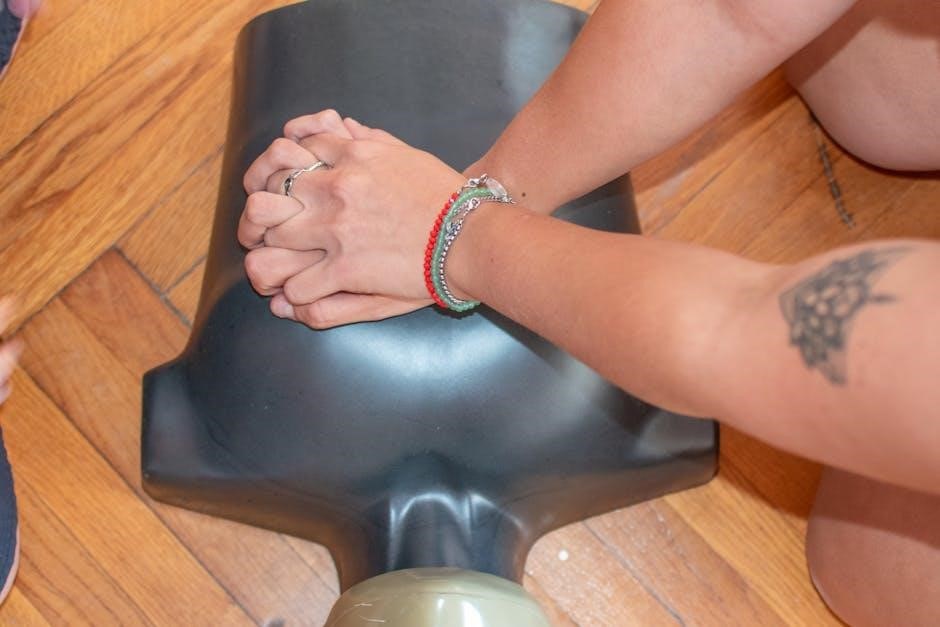
MLD training emphasizes gentle skin stretching, rhythmic pumping, and directional flow techniques to stimulate lymphatic circulation and promote natural detoxification processes.
Gentle Skin Stretching Techniques
Gentle skin stretching forms a foundational element within Manual Lymphatic Drainage (MLD) training, focusing on delicately mobilizing the skin to encourage lymphatic flow. This isn’t typical massage; it’s a light, rhythmic approach. Practitioners learn precise hand placements and directional stretches, carefully applied to areas overlying lymphatic vessels.
The goal isn’t to manipulate muscle, but to subtly stretch the skin, creating space for lymph to move more freely; These techniques are taught with a strong emphasis on anatomical understanding – knowing precisely where the superficial lymphatic vessels reside. Training includes practicing these stretches on various body regions, adapting pressure and direction based on individual anatomy and client needs.
Mastering this gentle touch is crucial, as excessive pressure can actually impede lymphatic drainage. Successful application relies on a sensitive, responsive connection between the practitioner and the client’s tissues, promoting a comfortable and effective treatment experience.
Rhythmic Pumping Movements
Rhythmic pumping movements are a core component of Manual Lymphatic Drainage (MLD) training, designed to mimic the natural contractions of the lymphatic vessels themselves. These aren’t forceful; instead, they are slow, gentle, and repetitive, creating a wave-like action to propel lymph fluid.
Training emphasizes the precise sequencing and direction of these pumps, following the natural pathways of the lymphatic system. Practitioners learn to apply these movements in a specific order, starting proximally (closer to the body’s core) and moving distally (away from the core). This ensures lymph is encouraged to flow towards lymph nodes, not away from them.
The rhythm is crucial – a slow, deliberate pace allows the lymphatic system to respond without being overwhelmed. Students practice coordinating these movements with their breathing, enhancing the overall effectiveness of the treatment and promoting relaxation for the client.
Directional Flow and Lymphatic Pathways
Manual Lymphatic Drainage (MLD) training places significant emphasis on understanding directional flow and the intricate network of lymphatic pathways. It’s not simply about “moving fluid”; it’s about guiding it along specific routes to facilitate optimal drainage and filtration.
Students learn to map the superficial and deep lymphatic vessels, recognizing how they connect to lymph nodes throughout the body. Training details the precise direction of strokes needed to encourage lymph flow towards these nodes, where toxins and waste products are filtered. Incorrect direction can impede drainage.
Understanding the primary lymphatic trunks and ducts – like the thoracic duct and right lymphatic duct – is vital. Practitioners learn how to support the flow into these major collectors, ensuring efficient removal of lymph fluid from the tissues. Visual aids and anatomical study are key components of this training.

Applications of MLD: Conditions Treated
MLD training prepares practitioners to address conditions like lymphoedema, post-surgical swelling, and immune support, utilizing gentle techniques for improved patient wellbeing.
Lymphoedema Management with MLD
MLD training provides specialized techniques crucial for managing lymphoedema, a condition characterized by chronic swelling due to lymphatic system dysfunction. Lymphoedema can arise from cancer treatment or cancer itself, significantly impacting quality of life.
Through comprehensive MLD training, practitioners learn to gently redirect lymphatic fluid, reducing swelling and discomfort. Specialists utilize various manual lymphatic drainage approaches to alleviate this build-up, improving limb circumference and function.
Effective lymphoedema management with MLD isn’t a standalone treatment; it’s often integrated with compression therapy and exercise. MLD training emphasizes a holistic approach, equipping therapists to create individualized treatment plans. Understanding the lymphatic pathways and nodes is paramount, and MLD training delivers this essential knowledge.
Ultimately, skilled application of MLD, gained through dedicated training, empowers patients to regain mobility and enhance their overall wellbeing despite living with lymphoedema.
Post-Surgical Swelling Reduction
Manual Lymphatic Drainage (MLD) training equips practitioners with vital skills for minimizing post-surgical swelling, a common complication hindering recovery. Surgery often disrupts lymphatic flow, leading to fluid accumulation and discomfort for patients.
MLD training focuses on gentle techniques that stimulate lymphatic circulation, facilitating the removal of excess fluid and reducing edema. This targeted approach can significantly accelerate healing and improve range of motion post-operatively.
A key component of MLD training is understanding how surgical interventions impact lymphatic pathways. Therapists learn to strategically apply MLD to optimize drainage and prevent complications like fibrosis. Early intervention, guided by thorough training, is often most effective.
By mastering these techniques, practitioners contribute to enhanced patient comfort, reduced pain medication reliance, and faster return to functional activities following surgical procedures.
MLD for Detoxification and Immune Support
Manual Lymphatic Drainage (MLD) training highlights the lymphatic system’s crucial role in detoxification and immune function, extending beyond edema management. The lymphatic network actively filters waste products and toxins from tissues throughout the body.
MLD training teaches practitioners how to enhance this natural detoxification process by gently stimulating lymphatic flow. Improved circulation aids in the removal of metabolic byproducts, supporting optimal cellular health and reducing the burden on other detoxification organs.
Furthermore, the lymphatic system is integral to immune response. MLD training emphasizes how lymphatic drainage supports immune cell activity, bolstering the body’s defense mechanisms against pathogens.
Practitioners learn to apply techniques that promote lymphatic circulation, potentially enhancing immune function and overall wellness. This holistic approach positions MLD as a valuable adjunct to preventative healthcare strategies.

Practical Considerations for MLD Practitioners
MLD training prepares practitioners for safe and effective practice, emphasizing contraindications, thorough client assessments, and strict adherence to hygiene and safety protocols.
Contraindications for MLD
MLD training thoroughly covers crucial contraindications, ensuring practitioners prioritize patient safety. Acute infections, such as cellulitis or lymphangitis, represent absolute contraindications, as MLD could exacerbate the spread of infection.
Congestive heart failure requires careful consideration; MLD may overload an already compromised circulatory system. Similarly, active cancer, particularly with metastatic spread, necessitates physician clearance before treatment initiation.
Renal failure is another significant contraindication, as the lymphatic system assists in fluid balance, and compromised kidneys cannot effectively manage increased lymphatic flow. Acute thrombophlebitis, or blood clots, also prohibits MLD due to the risk of dislodgement.
Practitioners must also exercise caution with individuals experiencing fever, uncontrolled hypertension, or active bleeding disorders. Proper assessment and understanding of these contraindications are paramount, reinforcing the importance of comprehensive MLD training.
Client Assessment and Treatment Planning
MLD training emphasizes a thorough client assessment as the foundation of effective treatment. This begins with a detailed medical history, identifying potential contraindications and understanding the client’s overall health status.
Physical assessment includes observing posture, skin condition, and identifying areas of swelling or congestion. Palpation helps evaluate tissue texture and lymphatic flow. Accurate measurements of affected limbs are crucial for tracking progress.
Treatment planning is individualized, considering the client’s specific condition and goals. A phased approach is often employed, starting with gentle techniques to stimulate lymphatic drainage and gradually progressing as tolerated.
MLD practitioners learn to tailor treatment sessions based on client response, adjusting pressure and techniques accordingly. Ongoing reassessment is vital to monitor effectiveness and modify the plan as needed, ensuring optimal outcomes.
Hygiene and Safety Protocols
MLD training rigorously covers hygiene and safety protocols to protect both practitioner and client. Maintaining a clean and sanitized treatment environment is paramount, adhering to strict infection control standards.
Proper hand hygiene, including thorough washing and the use of hand sanitizers, is emphasized before and after each session. Linens must be changed and laundered appropriately, preventing cross-contamination.
Practitioners learn to identify contraindications – conditions where MLD is not advisable – such as acute infections, heart failure, or active cancer. Careful client screening is essential.
Safe body mechanics are taught to prevent practitioner strain and injury. Understanding anatomical landmarks and respecting client comfort levels are crucial. Documentation of client history and treatment details is also vital for safety and legal compliance.

Resources for Further Learning
MLD training benefits from diverse resources, including online courses, specialized manuals, and professional organizations fostering continued education and skill refinement.
Online MLD Training Resources
Numerous online platforms now offer Manual Lymphatic Drainage (MLD) training, providing flexibility for aspiring practitioners. These resources range from introductory courses covering foundational principles to advanced modules focusing on specific applications like lymphoedema management.
Many providers utilize video demonstrations, interactive quizzes, and downloadable materials to enhance the learning experience. Searching for “MLD training online” yields a variety of options, but careful evaluation of accreditation and instructor qualifications is crucial.
Websites like Lymphology.com and various lymphatic therapy schools often host online components to their in-person programs. ManualLib.com and similar sites offer access to downloadable manuals, supplementing formal training. Remember to verify the credibility of any online resource before investing time and money, ensuring it aligns with recognized industry standards.
Recommended Books and Manuals
Supplementing practical MLD training with robust literature is essential for comprehensive understanding. Several key books serve as valuable resources for both students and practitioners. “Lymphoedema: A Comprehensive Guide” by Mortimer provides in-depth knowledge of the condition and MLD’s role in management.
Additionally, manuals directly associated with specific MLD training programs often detail techniques and protocols taught during the course. Searching online manual libraries, like ManualLib.com, can uncover supplementary guides and reference materials.
Focus on texts that clearly illustrate anatomical structures and demonstrate proper hand positions. Remember that a solid theoretical foundation, built through diligent study of recommended books and manuals, significantly enhances practical skill and clinical judgment in MLD practice.
Professional Organizations for MLD Practitioners
Joining a professional organization offers MLD practitioners numerous benefits, including continuing education opportunities and networking possibilities. While a single, universally recognized governing body doesn’t dominate the field, several organizations support lymphatic therapists.
The Lymphatic Research and Education Foundation provides resources and advocates for advancements in lymphatic health. Exploring organizations focused on lymphedema management, such as the National Lymphedema Network, can offer specialized knowledge and support.
These groups often host workshops, conferences, and provide access to current research. Membership can enhance professional credibility and facilitate collaboration with peers, ultimately improving the quality of MLD practice and patient care. Staying connected is vital for ongoing development.