Peroneal strengthening exercises are crucial for ankle stability, addressing tendinitis, tears, and strains; a comprehensive protocol guides recovery and prevents re-injury.
What are Peroneal Tendons?
Peroneal tendons, located on the outer aspect of the ankle, play a vital role in stabilizing the foot and ankle complex. There are two peroneal tendons: the peroneal longus and the peroneal brevis. These tendons run along the outside of the ankle, behind the lateral malleolus (the bony bump on the outside of your ankle), and attach to the foot.
The peroneal longus tendon assists with plantarflexion (pointing the toes down) and eversion (turning the sole of the foot outward). The peroneal brevis primarily contributes to eversion. Together, they protect the ankle from sprains and help maintain proper foot mechanics during walking, running, and other activities. Understanding their function is key to effective strengthening and rehabilitation.
Why Peroneal Strengthening is Important
Peroneal strengthening is paramount for maintaining ankle stability and preventing injuries. Weak peroneal muscles can lead to excessive pronation (inward rolling of the foot), increasing the risk of ankle sprains and peroneal tendonitis. A robust strengthening program enhances the tendons’ ability to withstand repetitive forces during activities like walking, running, and jumping.
Furthermore, strengthening aids in recovery from peroneal tendon injuries, restoring optimal function and preventing chronic instability. Targeted exercises improve load tolerance, build control, and support proper ankle movement. Consistent peroneal muscle activation contributes to overall lower limb biomechanics, reducing stress on other joints and promoting long-term musculoskeletal health. A proactive approach is vital for sustained well-being.

Understanding Peroneal Tendon Injuries
Peroneal tendon issues range from tendinitis—irritation due to overuse—to partial or complete tears, often stemming from trauma or repetitive strain on the ankle.
Peroneal Tendonitis: Causes and Symptoms
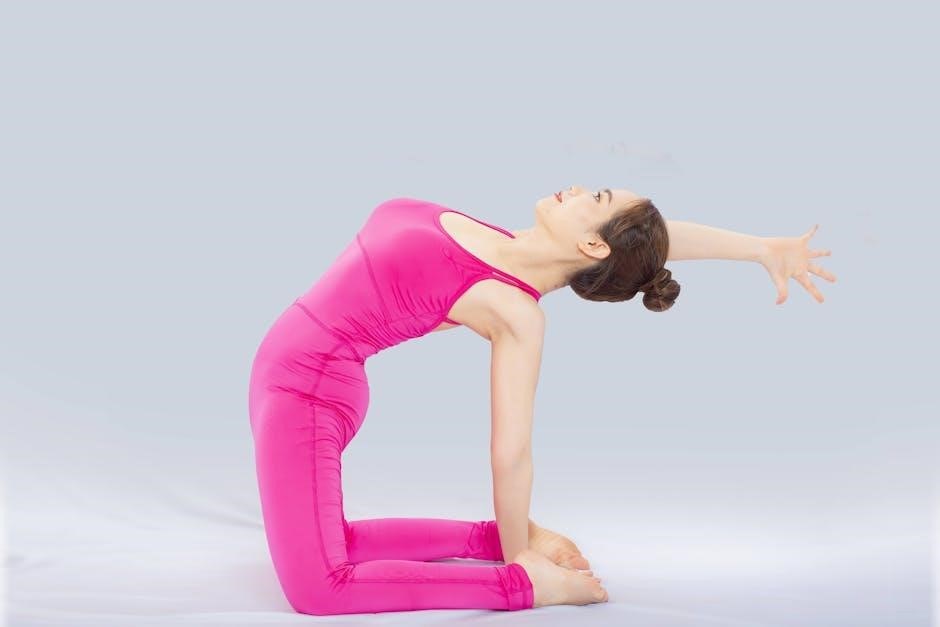
Peroneal tendinitis, an inflammation of the peroneal tendons, arises from various factors including remote trauma, repetitive forces during activity, high foot arches, and improper footwear. Rapid increases in training intensity or hindfoot positional variations can also contribute to its development.
Symptoms typically manifest as pain located on the outer aspect of the ankle, often worsening with activity. Individuals may experience tenderness to the touch along the tendons, swelling, and a sensation of instability. Pain can be present during walking, running, or even simple movements like standing.
Early intervention is key; ignoring symptoms can lead to chronic pain and potential tendon degeneration. A proper diagnosis and tailored rehabilitation protocol, including strengthening exercises, are essential for effective management and a return to optimal function. Ignoring the issue can lead to more severe problems.
Peroneal Tendon Tears: Types and Severity
Peroneal tendon tears range in severity, categorized as partial or complete, and can affect either the peronealis longus, peronealis brevis, or both. Partial tears involve damage to some, but not all, of the tendon fibers, causing pain and instability. Complete tears result in a full rupture of the tendon, leading to significant functional impairment.
Tears can be acute, occurring suddenly from a traumatic event like an ankle sprain, or chronic, developing gradually over time due to repetitive stress and degeneration. Chronic tears often present with a history of long-standing ankle pain and instability.
Severity dictates the treatment approach, ranging from conservative management with immobilization and rehabilitation exercises to surgical repair. A comprehensive assessment, including imaging, is crucial for accurate diagnosis and guiding the appropriate treatment protocol. Ignoring a tear can lead to chronic instability.
Risk Factors for Peroneal Tendon Injuries
Several factors contribute to the development of peroneal tendon injuries. Anatomical predispositions, such as a high-arched foot, can increase stress on the tendons. Prior ankle sprains are a significant risk factor, often leading to chronic instability and tendon degeneration.
Repetitive activities involving ankle inversion and eversion, like running or hiking on uneven terrain, can overload the tendons. Improper footwear lacking adequate support exacerbates the risk. Rapid increases in training intensity or volume without sufficient conditioning also contribute.
Hindfoot varus (outward tilting of the heel) and poor neuromuscular control can further compromise tendon health. A history of trauma, even remote, can predispose individuals to peroneal tendinitis or tears. Addressing these risk factors is vital in prevention and rehabilitation protocols.

Phase 1: Acute Phase Rehabilitation Protocol
Initial management focuses on the RICE protocol – rest, ice, compression, and elevation – alongside gentle motion and isometric peroneal strengthening.
Initial Management: RICE Protocol
Following a peroneal tendon injury, the immediate application of the RICE protocol is paramount for minimizing inflammation and pain. Rest involves avoiding activities that exacerbate symptoms, potentially utilizing crutches or a brace for immobilization. Ice should be applied for 15-20 minutes at a time, several times a day, ensuring a protective barrier between the ice pack and skin.
Compression, achieved through an elastic bandage, helps to reduce swelling, but it’s crucial to avoid overly tight wrapping that could impede circulation. Elevation of the injured ankle above the heart also aids in reducing edema. This initial phase, lasting typically 24-72 hours, focuses on controlling acute symptoms before progressing to more active rehabilitation exercises. Adherence to the RICE protocol sets the foundation for a successful recovery journey, preparing the tissues for subsequent strengthening and proprioceptive training.
Gentle Range of Motion Exercises
Once initial pain and swelling begin to subside, incorporating gentle range of motion (ROM) exercises is vital to prevent stiffness and restore normal ankle joint mechanics. These exercises should be performed pain-free, focusing on controlled movements rather than pushing through discomfort. Ankle pumps – pointing the toes up and down – and ankle circles, both clockwise and counterclockwise, are excellent starting points.
Alphabet tracing with the foot – slowly “writing” the letters of the alphabet – encourages movement in all planes of motion. These exercises should be performed slowly and deliberately, emphasizing a full, yet comfortable, range. The goal is not to aggressively stretch the tendons, but rather to maintain flexibility and prepare the ankle for more demanding strengthening activities. Consistent, gentle ROM exercises are foundational for a successful rehabilitation process.
Isometric Peroneal Strengthening
Isometric exercises are crucial in the early stages of peroneal rehabilitation, as they allow for muscle activation without placing stress on the healing tendons. These exercises involve contracting the peroneal muscles against an immovable resistance. A simple starting point is pressing the outside of the foot against a wall or a stable object.
Hold the contraction for 5-10 seconds, focusing on engaging the muscles on the outer ankle, and repeat 10-15 times; Another effective isometric exercise involves resisting inward movement of the foot – imagine trying to turn the sole of your foot inward while keeping it stable. These exercises should be pain-free and performed with controlled movements; Isometric strengthening helps to re-establish neuromuscular control and prepare the peroneal muscles for more dynamic exercises.

Phase 2: Intermediate Strengthening Exercises
This phase introduces theraband work, focused calf raises activating peroneal muscles, and single-leg balance drills to build strength and stability progressively.
Theraband Exercises for Peroneal Muscles
Utilizing resistance bands, or Therabands, is a cornerstone of intermediate peroneal strengthening. Begin with light resistance, gradually increasing as strength improves. Peroneal eversion, performed while seated with the leg extended, involves looping the band around the foot and pulling outwards. Focus on controlled movements, resisting the band’s pull.
Inversion resisted exercises are also beneficial, anchoring the band on the opposite side and resisting inward movement. Dorsiflexion with eversion combines ankle flexion with outward rotation, further engaging the peroneal muscles. Perform 15-20 repetitions of each exercise, 2-3 sets, focusing on proper form.
Ensure the band remains taut throughout the entire range of motion. These exercises effectively target the peroneal longus and brevis, enhancing lateral ankle stability and preparing for more advanced strengthening activities. Consistent performance is key to achieving optimal results and preventing re-injury.
Calf Raises (with emphasis on peroneal activation)
Calf raises, traditionally a gastrocnemius and soleus exercise, can be modified to significantly engage the peroneal muscles. Performing calf raises with slight eversion – turning the foot outwards – actively recruits the peroneal longus and brevis. This subtle adjustment shifts the emphasis from the medial calf muscles to the lateral stabilizers.
Begin with bodyweight calf raises, focusing on controlled ascent and descent. Progress to single-leg variations for increased challenge. To further enhance peroneal activation, perform calf raises on an unstable surface, like a foam pad or balance disc. This demands greater muscular control and proprioception.
Aim for 3 sets of 15-20 repetitions, concentrating on maintaining the outward rotation throughout the exercise. Proper form is crucial; avoid compensating with other muscle groups. This modified calf raise effectively strengthens the peroneal muscles while simultaneously improving ankle stability and balance.
Single Leg Balance Exercises
Single leg balance exercises are foundational for peroneal strengthening, directly challenging the ankle’s stabilizing muscles. Start by simply standing on one leg, maintaining a neutral ankle position. Progress by introducing perturbations – small, controlled movements – to challenge balance and force the peroneals to react.
Increase difficulty by closing your eyes, performing the exercise on an unstable surface (foam pad, wobble board), or incorporating dynamic movements like reaching in different directions. Focus on preventing the ankle from rolling inwards (inversion), as this is the motion the peroneals resist.

Aim for 3 sets of 30-60 second holds per leg. Prioritize quality over quantity; maintain good form and control throughout. These exercises enhance proprioception – your body’s awareness of its position in space – crucial for preventing future injuries and improving functional stability.

Phase 3: Advanced Strengthening and Proprioception
This phase incorporates agility drills, hopping, and lateral step-ups to rebuild dynamic stability, power, and refine peroneal control for functional activities.
Lateral Step-Ups
Lateral step-ups are an excellent advanced exercise targeting the peroneal muscles, enhancing both strength and stability. Begin with a low step or platform, focusing on controlled movements. As you step up, consciously activate your peroneal muscles to prevent the knee from collapsing inward – this is crucial!
Maintain a straight posture, avoiding leaning or twisting. Step up with one leg, driving through the heel, and then slowly lower yourself back down. Increase the step height gradually as your strength improves. Perform 3 sets of 10-15 repetitions on each leg.
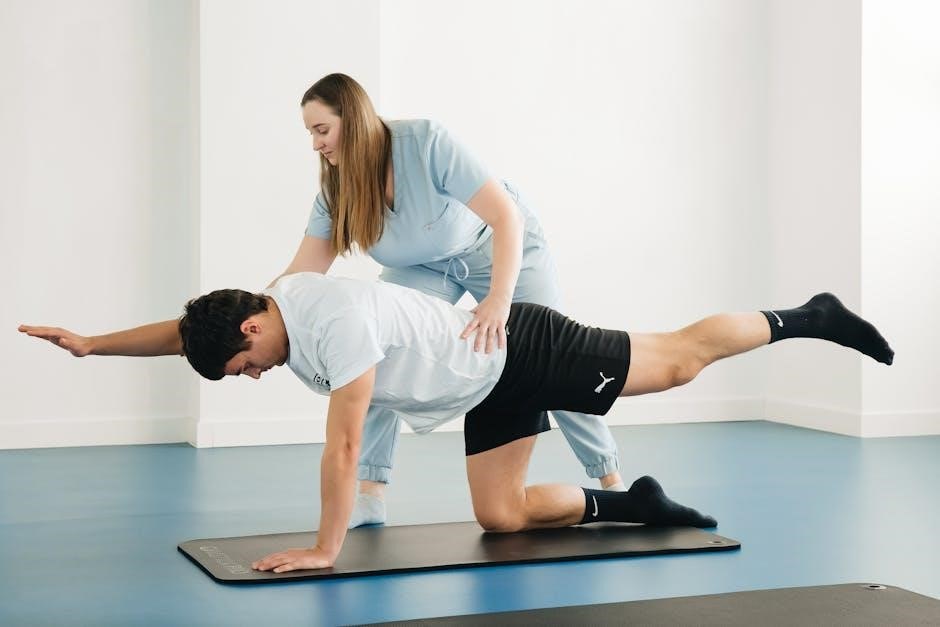
To further challenge yourself, consider adding a resistance band around the ankle. This increases the demand on the peroneal muscles, promoting greater strengthening; Proper form is paramount; prioritize quality over quantity to avoid injury and maximize effectiveness. This exercise builds functional strength needed for daily activities and athletic performance.
Hopping and Jumping Exercises
Hopping and jumping exercises represent a significant progression in peroneal rehabilitation, building power and dynamic stability. Start with simple two-footed hops, focusing on maintaining good alignment and avoiding inward knee collapse. Progress to single-leg hops, initially over a low obstacle, then gradually increasing the height.
Introduce lateral hops, emphasizing controlled landings and peroneal muscle engagement to resist inversion. Jumping exercises, such as jump squats or box jumps (low height initially), further challenge the peroneal muscles. Perform 3 sets of 8-12 repetitions for each exercise, prioritizing quality of movement.
These plyometric activities enhance proprioception and reactive strength, crucial for preventing re-injury. Ensure adequate warm-up and proper landing technique to minimize stress on the ankle joint. Listen to your body and modify exercises as needed, avoiding pain.
Agility Drills for Peroneal Stability
Agility drills are the final stage in peroneal rehabilitation, integrating strength, power, and proprioception for functional movements. Begin with cone drills, focusing on quick changes of direction while maintaining a stable ankle. Shuttle runs, lateral shuffles, and figure-eight runs challenge dynamic stability and peroneal control.
Incorporate cutting maneuvers, gradually increasing speed and sharpness of turns. Reactive agility drills, where you respond to visual cues, further enhance neuromuscular control. Perform 3-4 sets of each drill, with adequate rest between sets. Prioritize proper form and controlled movements.
These drills simulate real-life activities, preparing the ankle for the demands of sports and daily life. Continuously assess your pain levels and adjust the intensity accordingly. Consistent practice is key to maintaining peroneal stability and preventing future injuries.

Preventing Re-Injury
Consistent peroneal maintenance exercises, proper footwear, and effective warm-up/cool-down routines are vital for long-term ankle health and preventing future tendon issues.
Proper Footwear and Orthotics
Selecting appropriate footwear is paramount in preventing peroneal tendon injuries and re-injury. Shoes should provide excellent ankle and arch support, minimizing excessive pronation or supination that can strain the tendons. Avoid high heels or excessively flexible shoes, as these compromise stability.
Consider the use of custom or over-the-counter orthotics, particularly if you have structural foot abnormalities like high arches. Orthotics help to correct biomechanical imbalances, distributing pressure more evenly across the foot and reducing stress on the peroneal tendons.
A podiatrist or physical therapist can assess your gait and foot structure to recommend the most suitable footwear and orthotic options. Regularly inspect your shoes for wear and tear, replacing them when they lose their supportive qualities. Prioritizing proper footwear is a proactive step towards long-term peroneal tendon health.
Warm-up and Cool-down Routines
Implementing consistent warm-up and cool-down routines is vital for preparing the peroneal tendons for activity and promoting recovery afterward. A dynamic warm-up should include ankle circles, calf stretches, and gentle foot inversions/eversions to increase blood flow and flexibility.
Prior to strenuous exercise, perform light cardio, such as walking, to further elevate muscle temperature. Following your workout, a cool-down consisting of static stretches – holding each stretch for 20-30 seconds – helps reduce muscle soreness and improve flexibility.
Specifically target the peroneal muscles during your cool-down with stretches that emphasize lateral ankle movement. Consistent adherence to these routines enhances tendon elasticity, reduces injury risk, and supports optimal peroneal function, complementing your strengthening exercises.
Ongoing Peroneal Maintenance Exercises
Sustained peroneal maintenance is key to preventing re-injury and preserving ankle stability long-term. Incorporate regular, low-impact exercises into your routine, even after completing a formal rehabilitation program.
Continue performing theraband exercises 2-3 times weekly to maintain strength. Single-leg balance exercises, progressing to uneven surfaces, challenge proprioception and stability. Calf raises, focusing on peroneal activation, reinforce muscle endurance.
Consider incorporating agility drills, like lateral shuffles and cone drills, to enhance dynamic stability. Prioritize proper footwear and consider orthotics if recommended. Consistent adherence to these maintenance exercises ensures continued peroneal function and minimizes the risk of future complications, supporting an active lifestyle.